

The Fastest Way to Avoid Checked Bag Fees: Pack in a Personal Item or Carry-On
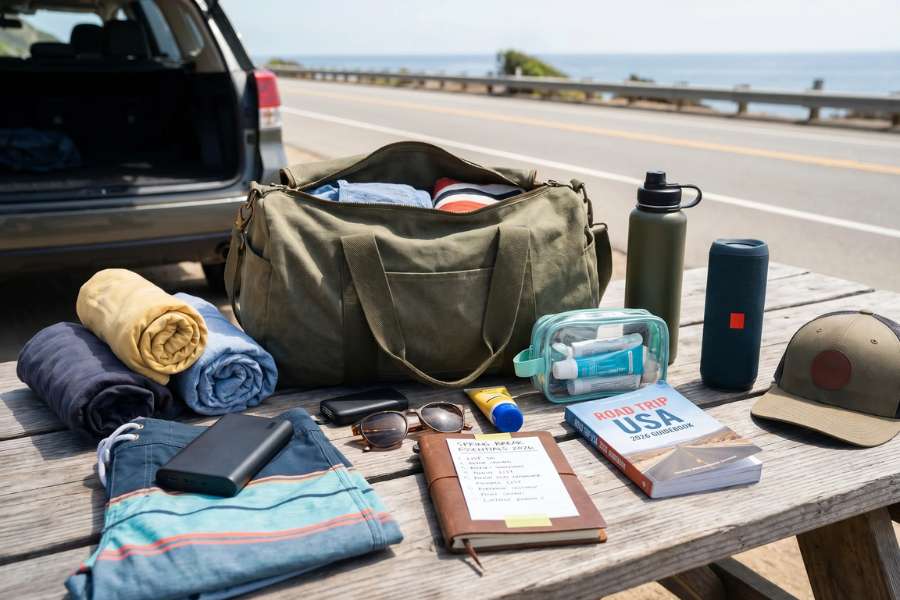
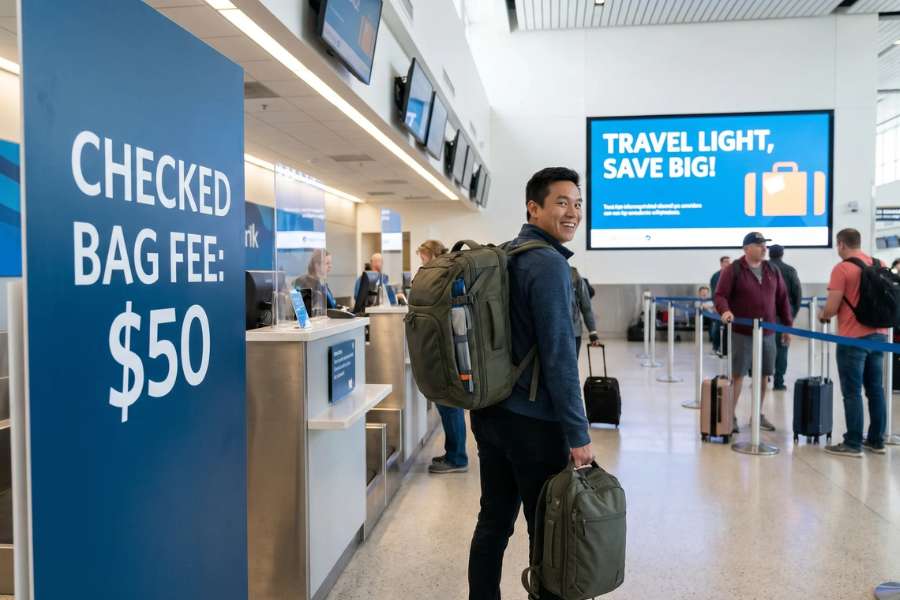
The most reliable way to avoid checked bag fees is to pack everything you need into a personal item or carry-on bag. Airlines cannot charge you for bags that never leave your hands. With the right bag and a disciplined packing list, most 3–5 day trips fit comfortably in a personal item — no checked bag, no fee, no waiting at baggage claim.
1. Pack Carry-On Only
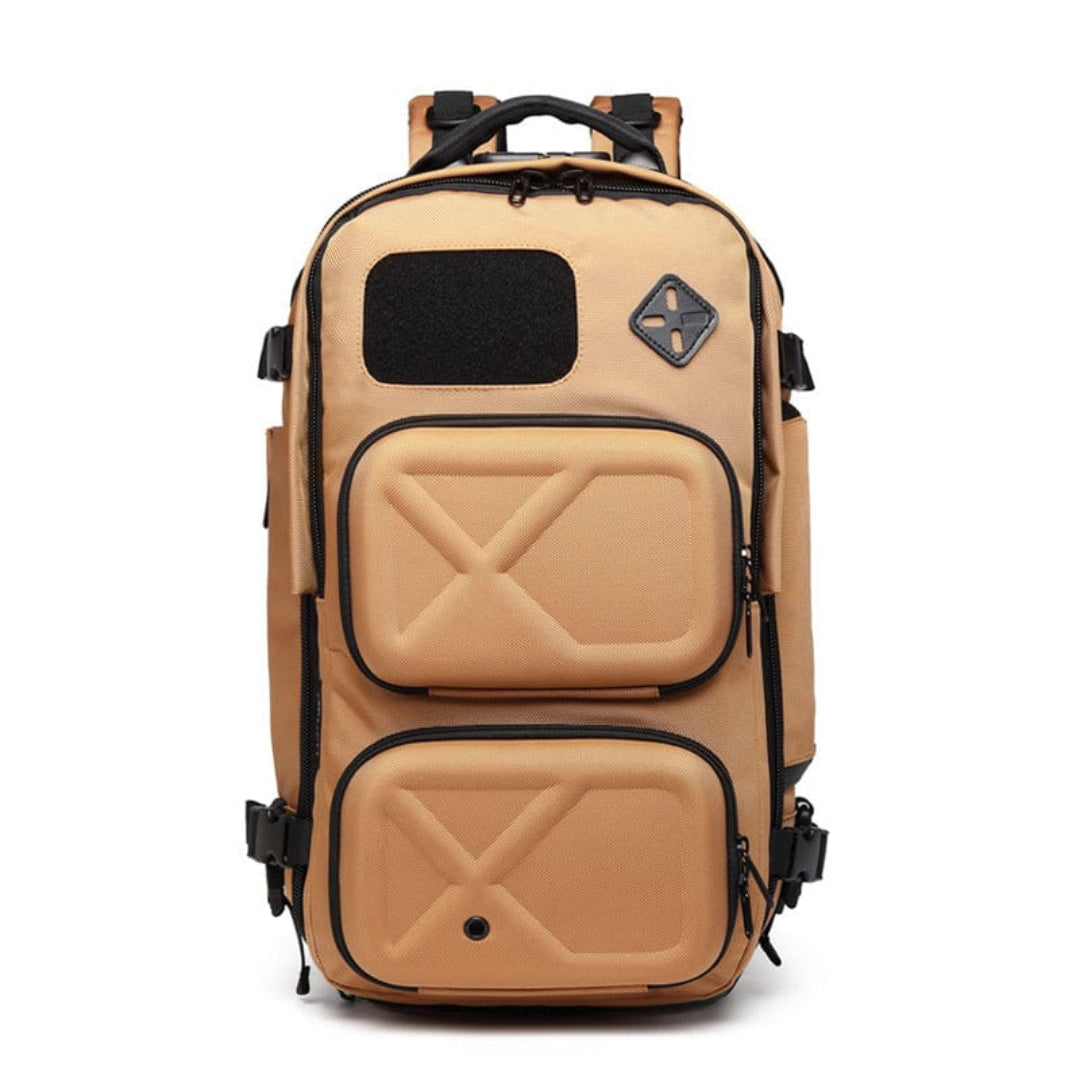
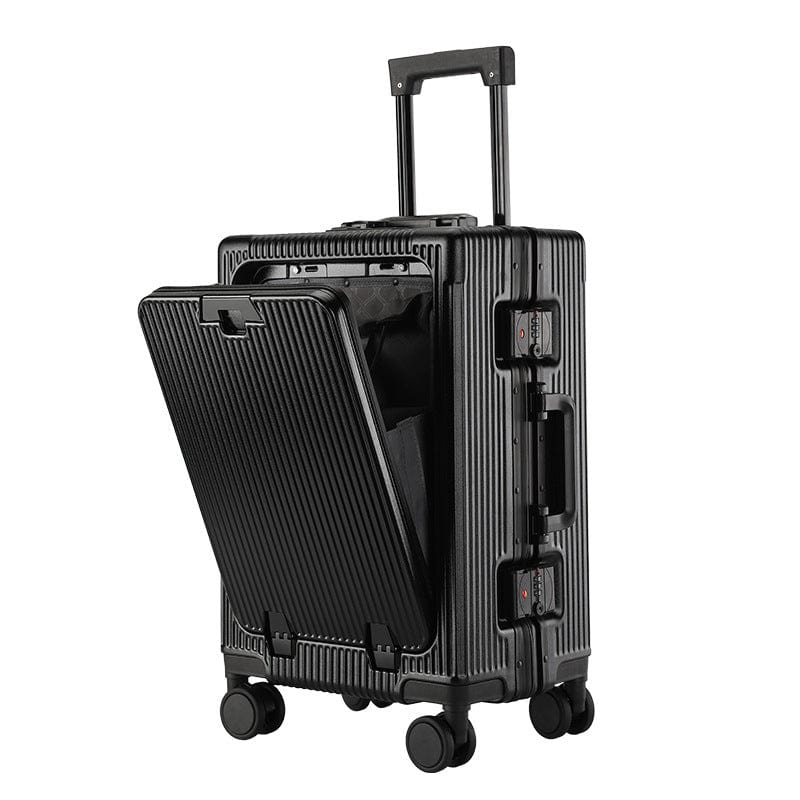
Every major U.S. airline allows one carry-on bag in the overhead bin at no charge — except on Basic Economy tickets. A standard carry-on is 22 x 14 x 9 inches on most carriers. A well-packed 40L travel backpack can handle a week-long trip for most travelers. The key is choosing versatile clothing and using compression packing cubes to reduce bulk. For help choosing the right size, see our guide to carry-on backpack sizes.

Fits in the overhead bin on all major U.S. carriers. Enough room for a week of clothing when packed with cubes. A carry-on-only strategy starts here.
Shop Now2. Use Your Personal Item Allowance Strategically
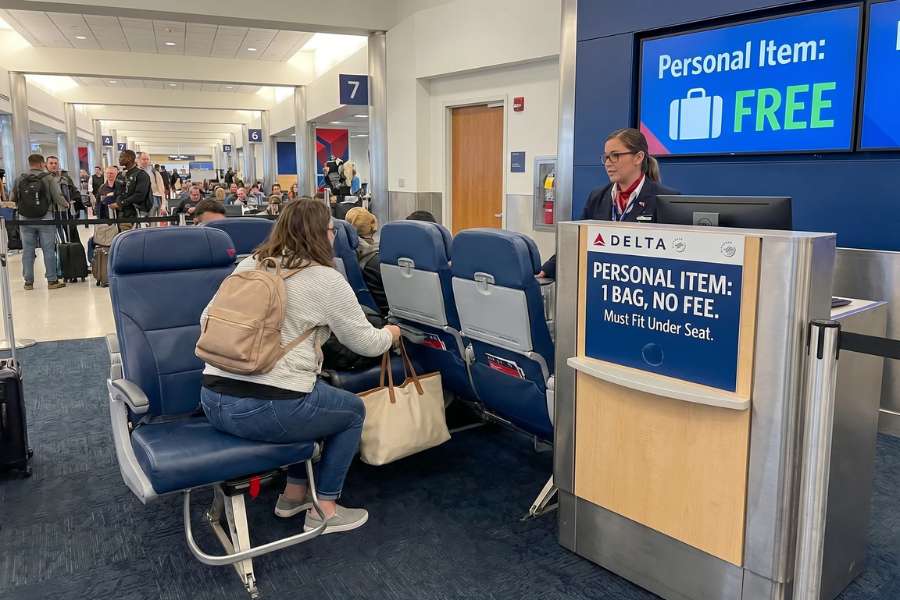
Every passenger on every fare class — including Basic Economy — gets a free personal item (up to 18 x 14 x 8 inches on most airlines). For short trips of 1–3 days, a high-capacity personal item bag is often all you need. No checked bag fee, no carry-on fee, faster boarding and deplaning. See our breakdown of personal item rules for every major airline so you know exactly what you can bring on your specific carrier.
3. Get the Airline's Co-Branded Credit Card
Most major airline credit cards include a free first checked bag as a core benefit — just for being a cardholder:
- Delta SkyMiles® Gold Amex: First bag free on Delta flights for you and up to 8 companions on the same reservation.
- United Explorer Card: First bag free on United for cardholder and one companion.
- Citi® / AAdvantage® Platinum: First bag free on American Airlines for cardholder and up to 4 companions.
- Alaska Airlines Visa: First bag free for cardholder and up to 6 companions.
If you fly one airline more than 4–5 times per year, the annual fee on the entry-level card typically pays for itself on bag fees alone.
4. Book a Fare That Includes Bags
Airlines sell bundled fares that include bags — sometimes at only a small premium over the basic fare. On American, "Main Plus" includes a carry-on and a checked bag. On United, "Economy Plus" or premium economy fares include bag allowances. Always compare the all-in cost of the base fare plus bag fees against the bundled fare before booking.
5. Fly Southwest
Southwest Airlines allows every passenger two free checked bags — no credit card, no elite status required. If you know you need to check a bag and are flying a route Southwest serves, the math often works out in Southwest's favor even if the base ticket costs slightly more.
6. Earn Elite Status
Most airline elite programs waive checked bag fees starting at the first elite tier. Delta Medallion Silver, United Silver, American Gold, and Alaska MVP all include a free first checked bag. Reaching elite status typically requires 25,000–30,000 miles or segments per year, which is achievable if you travel regularly for work.
7. Ship Your Bag Ahead
Services like Luggage Forward, Ship Sticks (for sports equipment), and USPS Priority Mail let you send your bag to your hotel or destination in advance. For heavy or oversized bags, the shipping cost is often lower than the airline's oversize and overweight fees, and you walk through the airport hands-free.
8. Know Which Airlines Charge and When
Bag fee policies vary significantly by airline and route:
- Spirit and Frontier: Charge for carry-on bags on Basic fares — sometimes more than checked bags. Book early to lock in lower bag prices.
- American, Delta, United: First checked bag typically $35 domestic. International routes to Europe often include one free checked bag on all fares.
- JetBlue: Free carry-on on all fares. First checked bag $35.
Always add estimated bag fees when comparing ticket prices across carriers. A $50 cheaper fare with a $70 bag fee is not a deal.
9. Use Packing Cubes to Pack More in Less Space
Packing cubes compress soft items — clothing, underwear, socks — down significantly, freeing up space in a carry-on or personal item. The result is that you can bring more in a smaller bag, eliminating the need to check anything. A set of compression packing cubes can cut clothing volume by 30–40%. If you have never used them, start with our guide on how to use packing cubes effectively.

Compress clothing by up to 40%, letting you fit a week of clothes in a carry-on or a weekend's worth in a personal item. Available as a complete multi-size set.
Shop Now10. Wear Your Heaviest Items on the Plane
Heavy boots, a winter coat, and bulky jeans take up disproportionate space and add significant weight to a bag. Wearing your heaviest layer and largest shoes onto the plane removes them from your bag entirely. Carry your coat over your arm during boarding if it is too warm to wear through the airport.
What to Do If You Already Have a Bag Fee Charged
If a bag fee shows up on your statement for a flight you booked with an airline credit card, call the card issuer — some cards offer a statement credit automatically, while others require you to request it. Elite members should also check whether a fee was charged in error, as waivers are not always applied correctly at check-in.
Bottom Line
The easiest path to zero checked bag fees is a two-step approach: pack into a carry-on backpack or personal item bag for most trips, and use an airline credit card for the trips when you genuinely need to check a bag. Together, those two habits eliminate the majority of checked bag fees without any sacrifice in packing comfort.
Check out our best-selling travel bags to find the right carry-on-only setup for your next trip.
Further Reading
Arca Team
The Arca Official Team is a group of avid travelers and gear enthusiasts based between Vancouver, Canada and Buenos Aires, Argentina. Founded by two entrepreneurs who couldn't find affordable, quality travel gear, Arca Official has helped thousands of travelers pack smarter. Every article is researched and written by team members who test the gear themselves.