


What to Wear in NYC in Winter: The Complete Outfit Guide (2026)
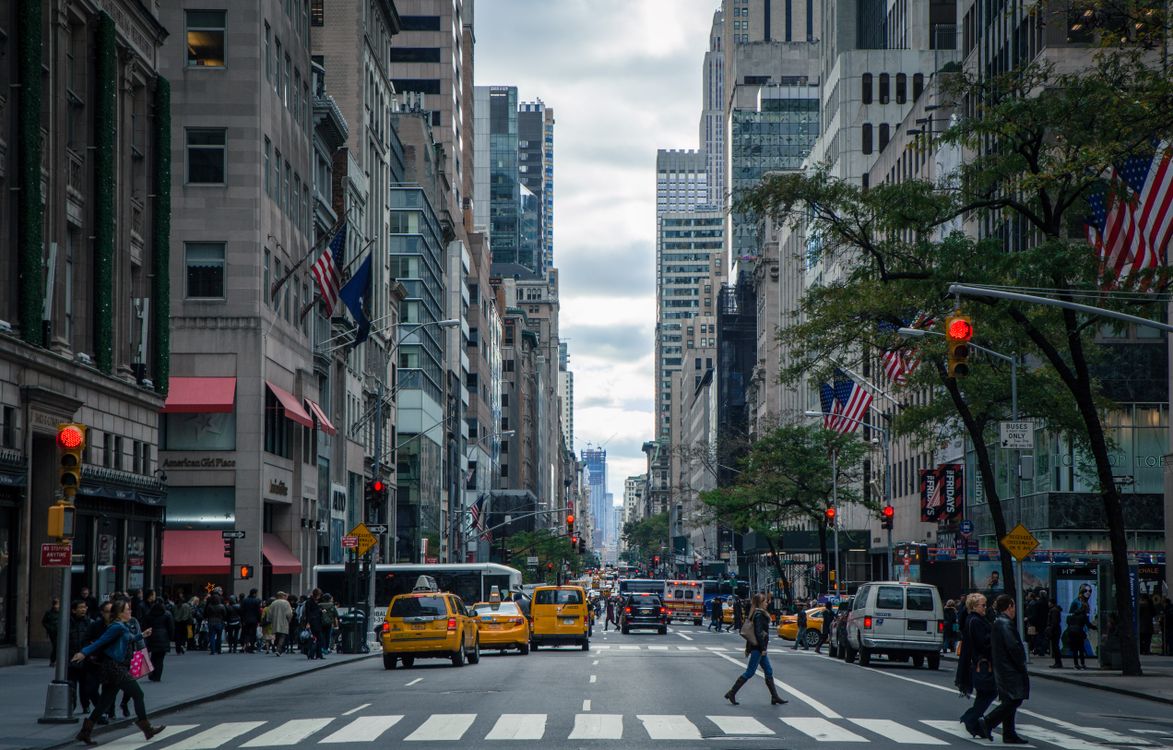
New York City winters are genuinely cold. Not "throw on an extra sweater" cold — we're talking wind chills below 15°F (-9°C), biting gusts tunneling through Midtown canyons, and the kind of damp cold that seeps through anything that's not properly layered. Most visitors massively underprepare.
But here's the thing: New Yorkers look good all winter. The city doesn't slow down, and neither does the fashion. Knowing what to wear in NYC in winter is less about buying expensive clothes and more about understanding how to layer intelligently — staying warm on a 20-minute walk but not overheating the moment you step onto a packed subway car.
This guide breaks down exactly what to wear, what to pack, and what to skip — whether you're visiting for a weekend or living here full-time.
What NYC Winter Is Actually Like
Understanding the temperature range is the first step to packing correctly.
- DEC Avg 28–42°F / –2 to 5°C. Cold but manageable. Snow possible.
- JAN Avg 26–39°F / –3 to 4°C. The coldest month. Wind chill makes it brutal.
- FEB Avg 27–41°F / –3 to 5°C. Still deep winter. Ice patches common.
- MAR Avg 35–52°F / 2 to 11°C. Starts to ease, but still cold mornings and evenings.
What the averages don't tell you: the wind is the real enemy. A 38°F / 3°C day in Manhattan can feel like 20°F / –7°C once you factor in the gusts coming off the Hudson or the wind tunnel effect of the avenues. Prioritize windproof outer layers above everything else.
You'll also be walking — a lot. NYC visitors average 5–10 miles per day on foot. Your feet will get cold faster than any other part of your body, and wet streets in January mean puddles that will find every unprotected ankle. Footwear choice matters as much as your coat.
Key insight: You'll swing between extremes constantly — bitter cold outside, overheated subway cars and heated restaurants inside. Your layering system needs to adapt in 30 seconds, not require a full costume change.
The NYC Winter Layering System
The most effective approach to dressing for NYC winters is a three-layer system. Each layer has a specific job — and together they handle temperatures from 15°F to 65°F without missing a beat.
Layer 1: Base layer (moisture management)
Your base layer sits against your skin and manages sweat during transit and walking. Merino wool is the gold standard — it regulates temperature, resists odor, and stays comfortable whether you're cold or warm. Synthetic moisture-wicking fabrics work well too. Cotton base layers are a mistake in cold weather: they absorb sweat, stay wet, and make you colder. Pair moisture-wicking travel tops in long or short sleeve depending on how cold it gets.
Layer 2: Insulating layer (warmth)
This is your warmth layer — a fleece, merino sweater, or light down vest. It traps warm air close to your body. The best versions are packable or compressible so they fit easily in a bag for when you head indoors. In January, you may want two mid-layers (a thin base-mid and a thicker sweater) on the coldest days.
Layer 3: Outer shell (wind and water protection)
Your outer layer is what the city actually sees first — and what keeps the wind from destroying the warmth your inner layers built. For NYC winter, you have two real options:
- Heavyweight wool coat — the classic New York look. A tailored wool coat in camel, charcoal, or black reads stylish in any neighborhood. Less packable, but warmer in the dry cold.
- Insulated puffer jacket (knee-length) — more practical, often warmer, easier to stuff into your bag on warmer days. More casual but increasingly worn everywhere in the city.
Whichever you choose, make sure it reaches at least mid-thigh — shorter coats leave your legs brutally exposed on windy days.
Bottoms
Jeans are the default for NYC winters but they're one of the worst performing fabrics in cold weather — they're stiff, slow to dry, and offer almost no insulation. Travel pants in stretch fabric with a water-resistant treatment are a significantly better choice: they look polished, move easily on the subway, and dry instantly if you step through a puddle. Add thermal leggings underneath on the coldest days.
Accessories: the underrated heat multipliers
In genuinely cold weather, a hat, scarf, and gloves can swing your comfort level by 10–15°F. These aren't optional in January. Pack them — they take up almost no space and make an enormous difference. A wool beanie, a long wrap scarf (doubles as a blanket on the subway), and touchscreen-compatible gloves cover all bases.
NYC Winter Outfit Ideas by Occasion
Here's how to put the layering system together for the situations you'll actually face in the city:
Sightseeing / Walking Days
- Merino base layer top
- Chunky knit sweater or fleece midlayer
- Long wool coat or insulated puffer (knee-length)
- Stretch travel pants + thermal leggings underneath (Jan/Feb)
- Waterproof ankle boots or insulated sneakers
- Beanie, scarf, gloves
Dinner / Evening Out
- Fitted base-layer top (tuck-in style)
- Blazer or structured cardigan midlayer
- Tailored wool coat over top
- Dark slim-cut trousers or travel pants
- Chelsea boots or leather sneakers
- Wrap scarf (removable at table)
Travel Days (airport / transit)
- Moisture-wicking base layer
- Zip-up hoodie or fleece (easy to remove for TSA)
- Lightweight packable down jacket
- Joggers or stretch travel pants
- Slip-on sneakers or boots (easier at security)
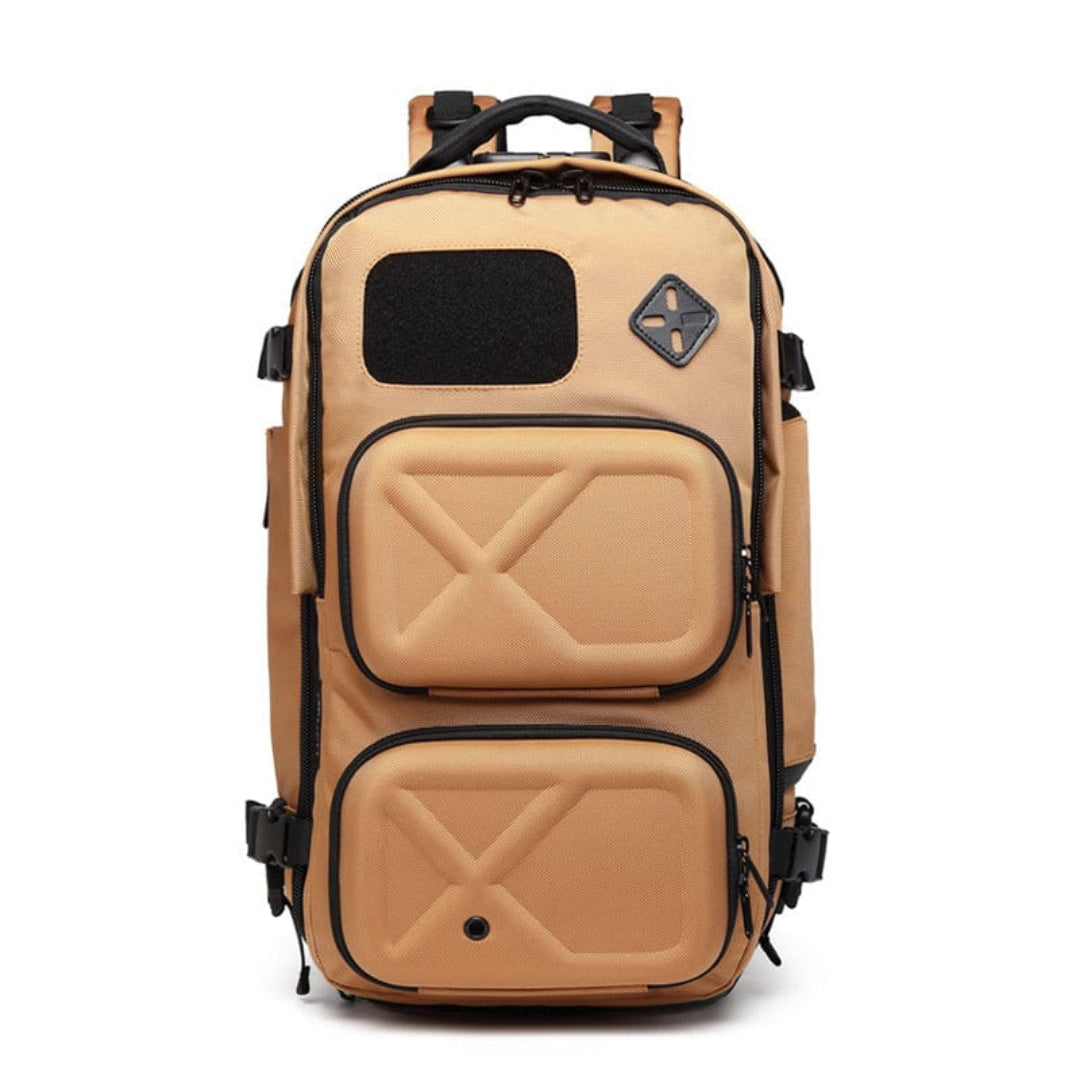
- A carry-on backpack — fits overhead, no check fees
NYC Winter Packing List
If you're visiting NYC in winter, here's what actually needs to make it into your bag. Every item below earns its weight.
Clothing essentials
- 2–3 long-sleeve base layer tops (merino or moisture-wicking synthetic)
- 1–2 sweaters or midlayer fleeces
- 1 heavyweight coat (wear it on the plane to save bag space)
- 1 packable light down jacket (backup layer or standalone on milder days)
- 2 pairs of stretch travel pants
- 1 pair of thermal leggings or base layer bottoms
- 4–5 pairs of moisture-wicking socks (wool blend for warmth)
- Wool beanie, wrap scarf, touchscreen gloves
Footwear
- Waterproof insulated ankle boots — your primary shoe for walking days
- Casual sneakers or loafers — for evenings and restaurants
Bag
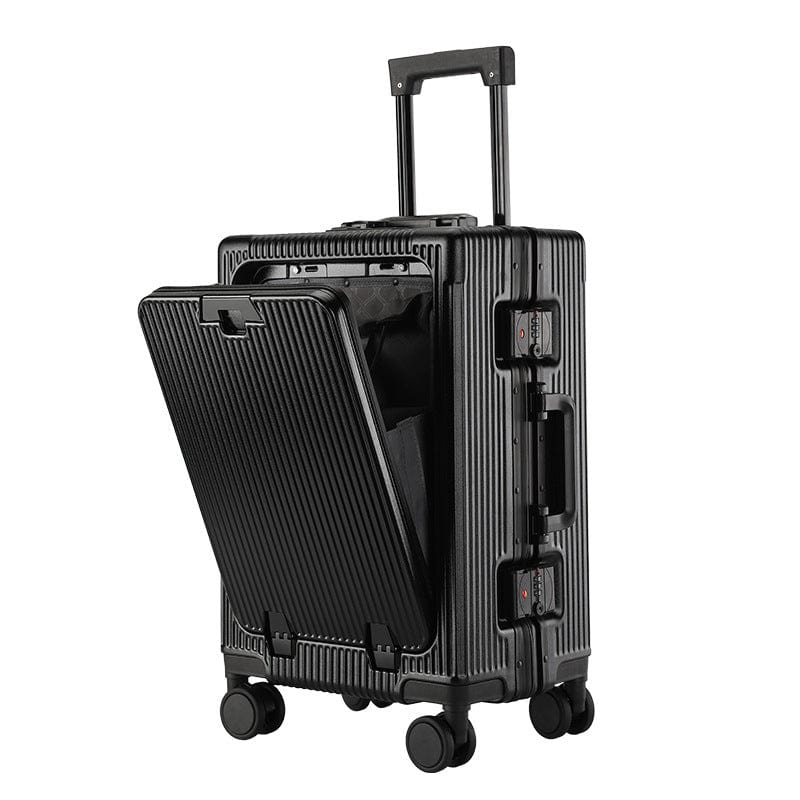
New York City is a walking city. A daypack or travel accessories bag is far more practical than a tote or rolling suitcase once you're on the ground. You'll be switching between subways, sidewalks, restaurants, and museums all day — something you can swing on your back and forget about is worth more than anything with wheels in this city. If you're flying in, a carry-on backpack means you land and go — no waiting at baggage claim in the cold.
Mistakes Tourists Always Make (And How to Avoid Them)
Packing a short coat
A waist-length or hip-length coat looks fine on Instagram but destroys your warmth the moment you step outside. The wind goes straight for your lower back and thighs. Anything shorter than mid-thigh is a mistake in January NYC.
Wearing cotton as a base layer
Cotton traps moisture against your skin. On a 10-block walk through the subway and back to street level, you'll sweat a little — and then that cotton layer will keep you cold for the rest of the day. Merino wool or synthetic moisture-wicking fabric only.
Forgetting about wind
The temperature forecast doesn't capture what the avenues feel like at 35 mph. Budget for the wind chill — if it says 32°F (0°C), dress for 20°F (–7°C).
Bringing only one pair of shoes
Your sightseeing boots and your dinner shoes are not the same shoe. Soaked waterproof boots at a nice restaurant is a situation. Pack two pairs — functional for the day, presentable for the evening.
Over-packing "just in case" layers
The reflex when visiting a cold city is to pack every warm thing you own. Instead, pack 2–3 high-quality versatile pieces and layer them differently each day. Read our travel capsule wardrobe guide for the exact framework, or our NYC airport and transport guide for everything else you need to know before you land.
Frequently Asked Questions
What should I wear in NYC in winter?
For NYC winters, you need a three-layer system: a moisture-wicking base layer (merino wool or synthetic), an insulating midlayer (fleece or sweater), and a windproof outer coat that hits at least mid-thigh. On the bottom, stretch travel pants with a thermal liner beat jeans in every practical measure. Add a wool beanie, scarf, and gloves — these make a bigger temperature difference than most people expect. Waterproof insulated boots are essential for walking days; the streets get slushy and puddles are unavoidable.
How cold does NYC get in winter?
New York City winters are genuinely cold. January is the coldest month, with average temperatures between 26–39°F (–3 to 4°C). Wind chill regularly pushes the "feels like" temperature below 15°F (–9°C), especially in Midtown where the avenue wind tunnels amplify gusts. December and February are similar; March starts to warm but still hits freezing in the morning and evening. Snow is possible any time from November through March, though heavy snowstorms are not an every-winter event.
What coat is best for NYC winter?
The two best options for NYC winter are a heavyweight wool overcoat (at least knee-length, in camel, charcoal, or black) or a long insulated puffer jacket. Wool coats are more stylish and look appropriate in every neighborhood from the Met to Brooklyn; puffer jackets are warmer and more versatile. Avoid short coats — anything ending at the hip leaves your lower body exposed to wind and cold. Whatever you choose, make sure it's windproof at the outer layer, not just insulated.
What shoes should I wear in NYC in winter?
Waterproof insulated ankle boots are the most practical shoe for NYC winter walking days. You'll be navigating wet sidewalks, slush at crosswalks, and the occasional ice patch — regular sneakers will leave your feet cold and wet within an hour. For evenings out, Chelsea boots or leather sneakers are the NYC standard and look right everywhere from a cocktail bar to a Michelin-starred restaurant. Bring both — functional for daytime, presentable for evening — and wear your heavier pair on the plane to save bag space.
What should I pack for a weekend trip to NYC in winter?
For a 3-day NYC winter weekend, pack: 2 merino or moisture-wicking base layer tops, 1 midlayer sweater or fleece, 1 heavy coat (wear on the plane), 1 pair of waterproof boots and 1 pair of evening shoes, 2 pairs of stretch travel pants, a beanie, scarf, and gloves. That's it. Anything more and you're over-packing. A 35L carry-on backpack fits this entire kit plus toiletries — you'll walk off the plane and straight onto the subway without a rolling bag slowing you down in the crowds.
Final Thoughts
Knowing what to wear in NYC in winter comes down to one principle: layer intelligently, not heavily. The goal is to move between a 20°F street, a 75°F restaurant, and a packed subway without overheating or freezing — and to look like you belong in the city while doing it.
A windproof mid-thigh coat, merino base layers, and a good pair of waterproof boots will carry you through December, January, and February without drama. Build around neutral colors so everything mixes and you can get 10 different outfits from 6 pieces. Leave the bulky items at home — pack versatile travel clothing that earns its space in your bag every day of the trip.
Whether you're visiting for a weekend or packing up for a longer stay, Arca's travel-first clothing is built exactly for this: pieces that look sharp, perform in the cold, and pack into a carry-on without a fight.
Gear Up for New York Winter
Travel clothing built for real cities and real weather. Free worldwide shipping over $110.
Shop Travel Clothing →Arca Team
The Arca Official Team is a group of avid travelers and gear enthusiasts based between Vancouver, Canada and Buenos Aires, Argentina. Founded by two entrepreneurs who couldn't find affordable, quality travel gear, Arca Official has helped thousands of travelers pack smarter. Every article is researched and written by team members who test the gear themselves.